Transport and logistics for perishable produce
For perishable produce, the sale is won or lost on the road. Poorly organised transport, and the goods arrive damaged — even unsellable — while post-harvest losses already reach 40 to 50% of fruits and vegetables in Africa. Mastering transport and logistics directly protects your income. Here’s how.
Why transport is so critical
Heat, knocks, delays, overpacking: every hour and every bump degrades fresh produce. Difficult roads, cold-chain breaks and rough handling turn a fine harvest into losses. Logistics isn’t a detail — it’s often the link that decides your margin.
Best practices
- Cool before leaving: produce loaded in full heat spoils fast. Harvest early, keep in the shade, and transport during the cool hours (early morning, evening, at night).
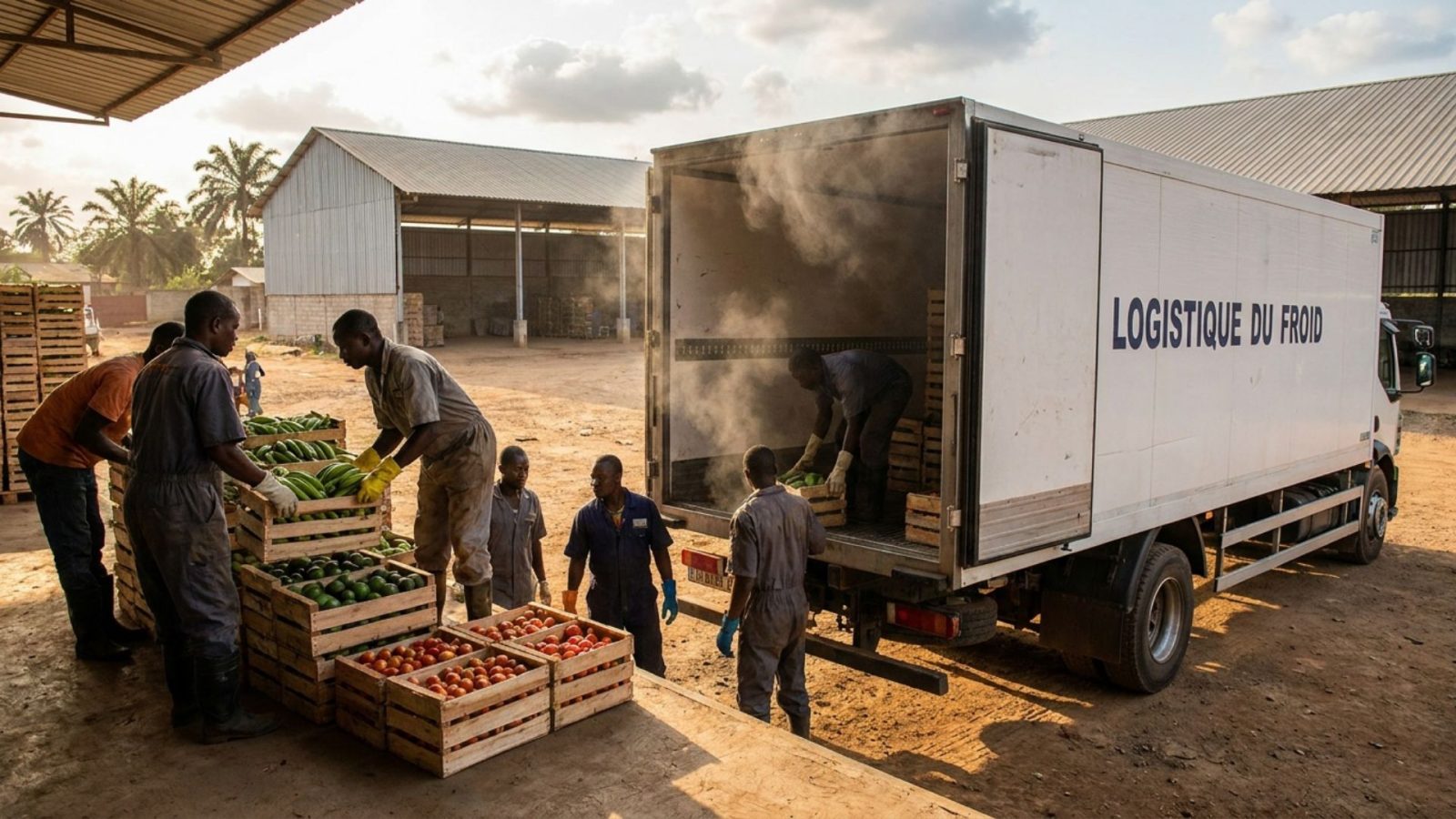
- Protect during the trip: ventilated, stackable crates rather than crammed sacks; secure the load to avoid knocks; a tarp to shield from sun and rain while letting air circulate.
- Go fast and direct: the shorter the trip, the fewer the losses. Plan the route and limit handling breaks.
- Pool costs: grouping shipments between producers (sharing a truck) sharply cuts the cost per kilo and makes cooling more affordable.
- Use cold when justified: for very fragile goods or export, refrigerated transport (or passive cooling solutions) secures quality.
Organising your logistics, step by step
- Plan before harvesting: know where, when and how the goods will leave.
- Choose the right carrier: reliability, vehicle condition and on-time delivery matter as much as price.
- Pack for the journey: sturdy packaging, secured load, labelled parcels.
- Coordinate with the buyer: delivering at the right time avoids waiting (and spoilage) on arrival.
Costly mistakes
- Transporting in full heat, with no sun protection.
- Cramming into sacks: crushing and fermentation.
- Setting off alone with a half-load: prohibitive cost per kilo (think grouping).
- Not warning the buyer: the goods wait and degrade.
Frequently asked questions
Do you always need a refrigerated truck?
Not always: for short trips, harvesting in the cool, shielding from the sun and going fast often suffices. Cold becomes essential for very fragile goods and export.
How can I cut transport costs?
Grouping between producers: sharing a vehicle slashes the cost per kilo and makes cooling solutions more affordable.
What’s the best time to transport?
During the cool hours: early morning, evening or at night, to limit heat-related degradation.
Going further
Logistics extends all the work done in the field — don’t neglect it. Combine it with good post-harvest loss reduction practices. To sell fast, publish your products on Jangolo.
Partager :

Discover more from Jangolo Blog
Subscribe to get the latest posts sent to your email.