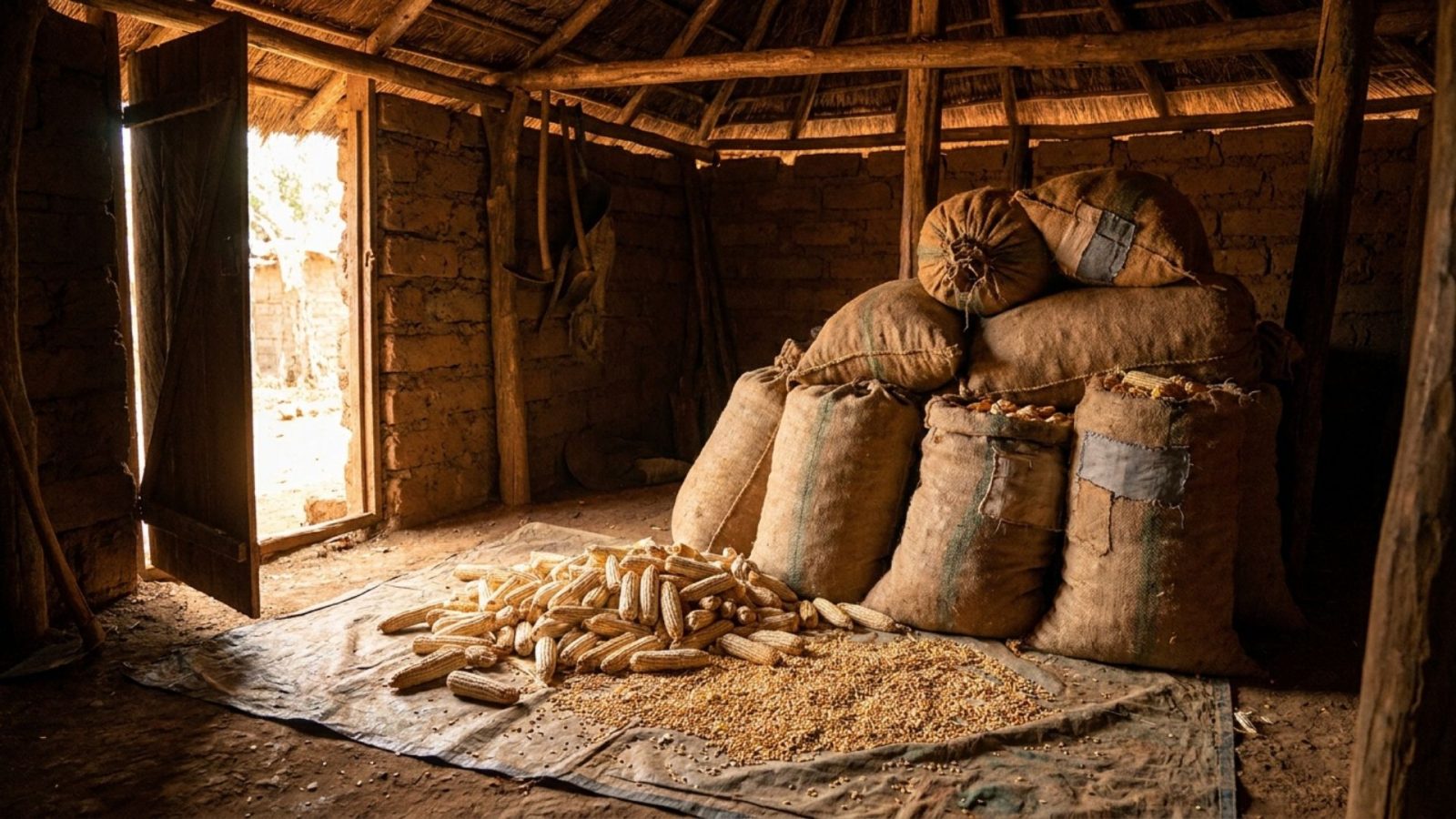
Reducing post-harvest losses: practical methods
In Sub-Saharan Africa, up to 40 to 50% of fruits and vegetables are lost after harvest — the highest rate in the world. In Cameroon, these losses cut straight into the farmer’s income: a big harvest means little if much of it rots before it can be sold. The good news is that the remedies are well known, and most are within everyone’s reach.
Where do losses come from?
Losses build up at every stage: harvesting at the wrong time or in the heat of the day, rough handling (knocks, bruising), cramming into sacks, bumpy transport, storage with no ventilation or cooling, and above all the lack of a cold chain for fragile produce. Each weak link adds its share of spoiled goods.
The methods that work
- Harvest at the right stage, early in the morning: at a ripeness matched to your selling time, while it’s cool. Produce picked in full heat degrades far faster.
- Handle with care and sort: avoid knocks and overpacking, remove bruised or diseased fruit (one rotten fruit spoils others). Sorting by size also makes selling easier.
- Choose the right packaging: prefer ventilated crates (which let air through and prevent crushing) over big sacks that compress and heat up.
- Cool without a big budget: shaded, well-ventilated storage, evaporative cooling rooms (humidified bricks/charcoal), even solar solutions. Simply keeping produce cool and out of the sun extends its shelf life significantly.
- Process and dry: drying (fruits, vegetables, spices) and processing (juices, flours, preserves) rescue surpluses and create value when fresh produce isn’t moving fast enough.
Selling fast: the best protection
Storage buys time, but nothing beats moving produce quickly. Plan your outlets before you harvest, and reach more buyers to sell fast and at a good price — see every channel for selling your farm produce. For fragile goods, good transport logistics are decisive.
Mistakes to avoid
- Harvesting in the heat and leaving produce in full sun.
- Cramming everything into big sacks: compression, heat, crushing.
- Not sorting: a single rotten fruit contaminates the whole crate.
- Harvesting without having planned where and to whom to sell.
Frequently asked questions
What share of the harvest is lost on average?
For fruits and vegetables in Sub-Saharan Africa, up to 40 to 50% — enough to feed millions. Cutting even half of these losses radically changes a farmer’s income.
Do you really need a fridge?
No. Many gains come from simple, free habits: harvesting in the cool, sorting, shade, ventilation, ventilated crates. Cooling (evaporative, solar) comes next for the most fragile produce.
What should I do with unsold surplus?
Process it: drying, juices, flours, preserves. It’s the best way to waste nothing and add value to your production.
Going further
Cutting losses means earning more without producing more. Adopt these habits, then sell your produce on Jangolo to move it fast and at the best price.
Partager :

Discover more from Jangolo Blog
Subscribe to get the latest posts sent to your email.