Exporting your agricultural products to Europe: a complete guide
The European market remains the top destination for Cameroon’s agricultural exports: the EU alone absorbs about 45% of Cameroon’s agricultural exports (cocoa, coffee, banana, cotton, rubber leading the way). Exporting to Europe can multiply the value of your produce — provided you meet strict and increasingly numerous requirements. Here is a complete, step-by-step guide to export without nasty surprises.
1. Choose the right product and market
Not all products export equally well. Favour those with high value and low perishability: cocoa, coffee, pepper, spices, dried fruit, processed products. Then analyse the most promising destination countries (demand, prices, presence of an African diaspora) and focus on a top 5.
Beware of current bans. Since 2018, Cameroon has been on a list of countries whose certain fresh fruits and vegetables are banned or “on probation” for entry into the EU — notably mangoes, papayas, guavas, peppers, eggplants and tomatoes — due to weaknesses in the national phytosanitary control system. Before committing to a fresh product, check its admissibility status: for these value chains, processing (drying, purée, juice) is often the safest route to Europe.
2. Meet sanitary and phytosanitary (SPS) standards
This is the main barrier to the European market. The EU enforces strict, constantly evolving standards: maximum residue limits for pesticides (MRLs), end-to-end traceability, food safety (HACCP principles), hygiene requirements and import controls. A single non-conformity can cause an entire shipment to be rejected on arrival.
To reassure buyers and smooth entry, recognised certifications make the difference: GlobalG.A.P. (good agricultural practices), EU organic certification, or sustainability labels (Rainforest Alliance, Fairtrade) depending on the value chain. Anticipating these requirements from the production stage avoids costly rejections.
3. Comply with the EU Deforestation Regulation (EUDR)
This is the major novelty to factor in. The EU Deforestation Regulation (EUDR) bans from the EU products linked to deforestation or forest degradation after 31 December 2020. It covers seven commodities and their derivatives: cocoa, coffee, rubber, palm oil, soy, beef and wood — key value chains for Cameroon (≈ 78% of Cameroonian cocoa goes to the EU).
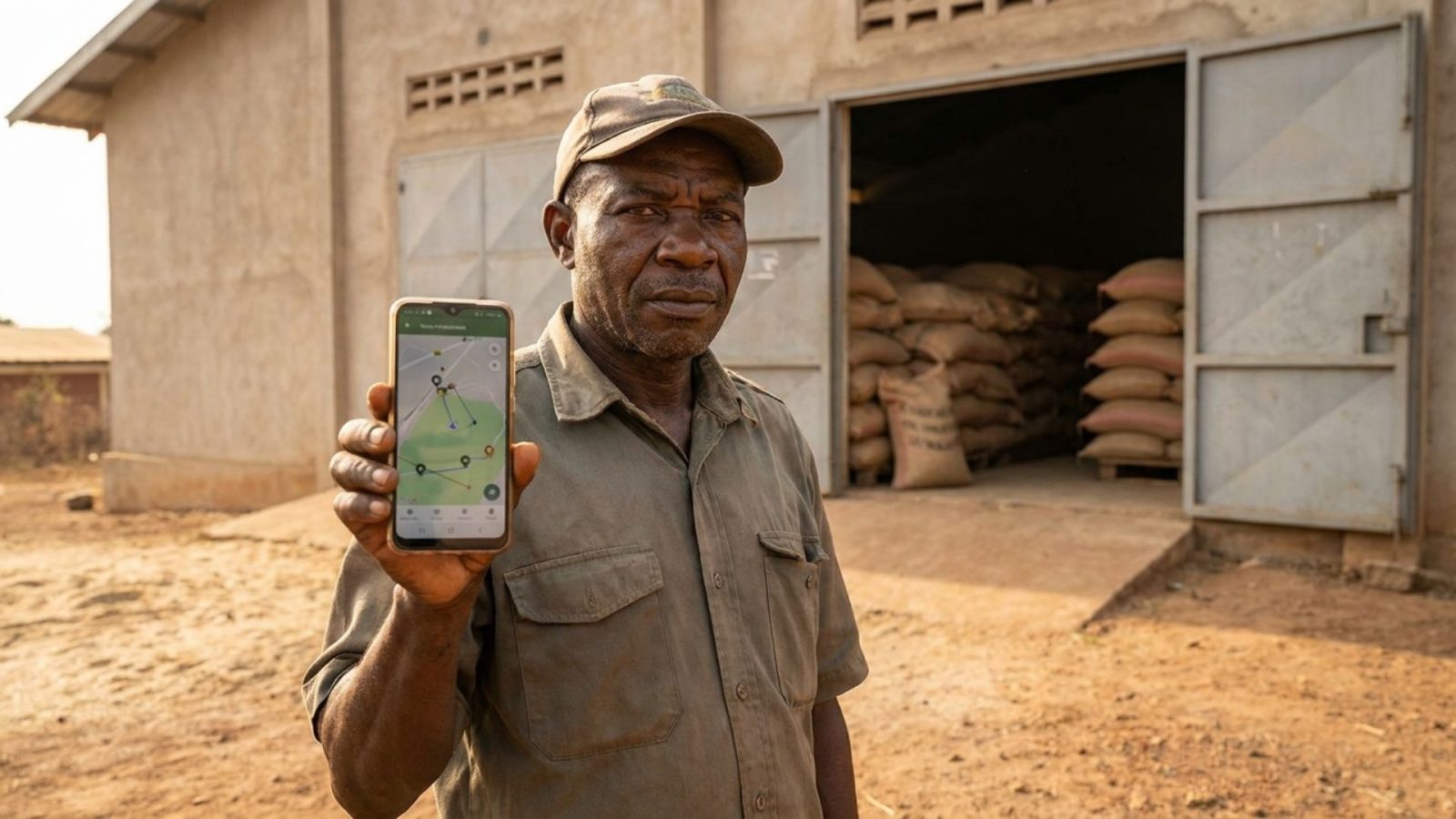
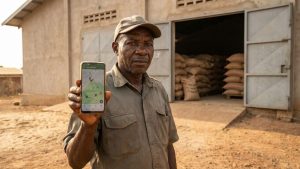
In practice, the exporter must provide the geolocation of production plots and a due-diligence statement proving the absence of deforestation. Good news: Cameroon is actively preparing — about 99% of cocoa and coffee production basins are already covered by geolocation and traceability systems (a data-pooling agreement signed in 2024). The regulation’s application has also been postponed, leaving a bit more time to comply. If you are in cocoa, coffee or rubber, get closer to your inter-profession now to plug into these systems.
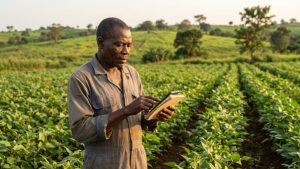
On the tools side, Jangolo Farmer lets you record and geolocate your production (farmer.cm): a simple way to document your SPS traceability and EUDR compliance, backed by data.
4. Leverage preferential market access (EPA)
Cameroon benefits from an Economic Partnership Agreement (EPA) with the EU, which opens preferential access — reduced or zero customs duties — for many products. Well used, this advantage improves your price competitiveness against other origins. Check your product’s eligibility and the rules of origin you must meet to qualify.
5. Master the formalities and logistics
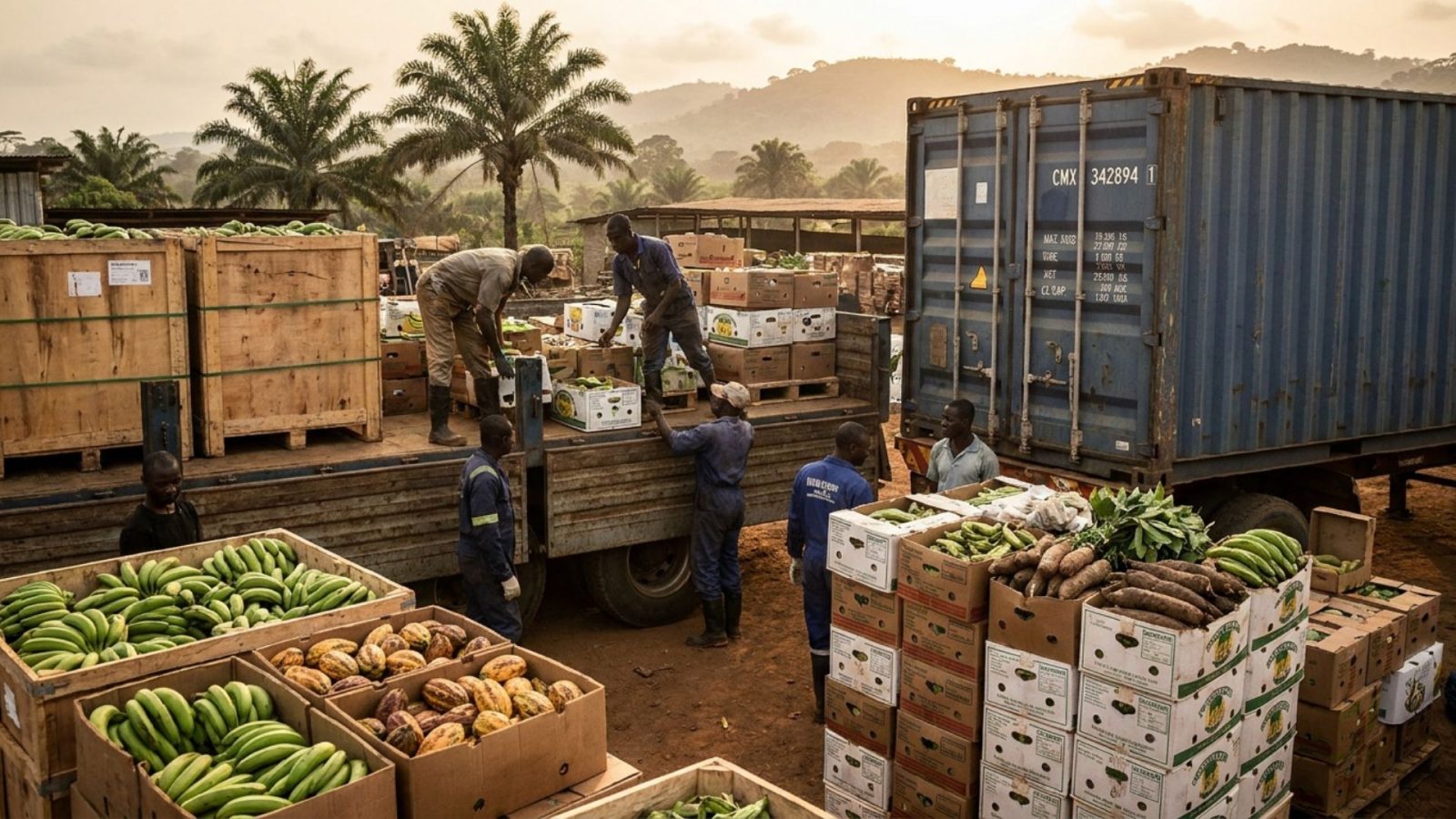
Beyond standards, exporting is a chain of operations to prepare: EU-compliant packaging and labelling (language, mandatory mentions, nutritional information), documents (phytosanitary certificate, certificate of origin, invoices), a clear incoterm, and reliable logistics (transport, and cold chain for sensitive products). Relying on an experienced freight forwarder and on public export-support bodies sharply reduces risk.
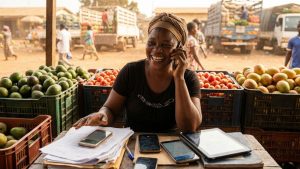
On the commercial side, Jangolo Trade helps you connect with buyers through Jangolo’s connected value chain, and Jangolo Escrow secures your transaction payments end to end — a decisive asset for a first export contract.
6. Join forces and get support
Few small producers can, alone, reach the volumes and consistency Europe demands. Grouping into cooperatives helps reach critical mass, pool certification costs and fulfil orders. Support programmes (inter-professions, export agencies, technical partners) help clear the standards hurdle — an investment that pays off with the first serious contract.
In summary
Exporting your agricultural products to Europe is a tremendous opportunity to add value, but it is a demanding market: choosing the right product (avoiding restricted value chains), mastering SPS standards, complying with the EUDR for cocoa/coffee/rubber, using preferential EPA access, and rigorous logistics. The key: anticipate requirements from the production stage and get support.
Read more
Partager :

Discover more from Jangolo Blog
Subscribe to get the latest posts sent to your email.