Catfish (clarias) farming in Cameroon: above-ground tanks, fingerlings and profitability
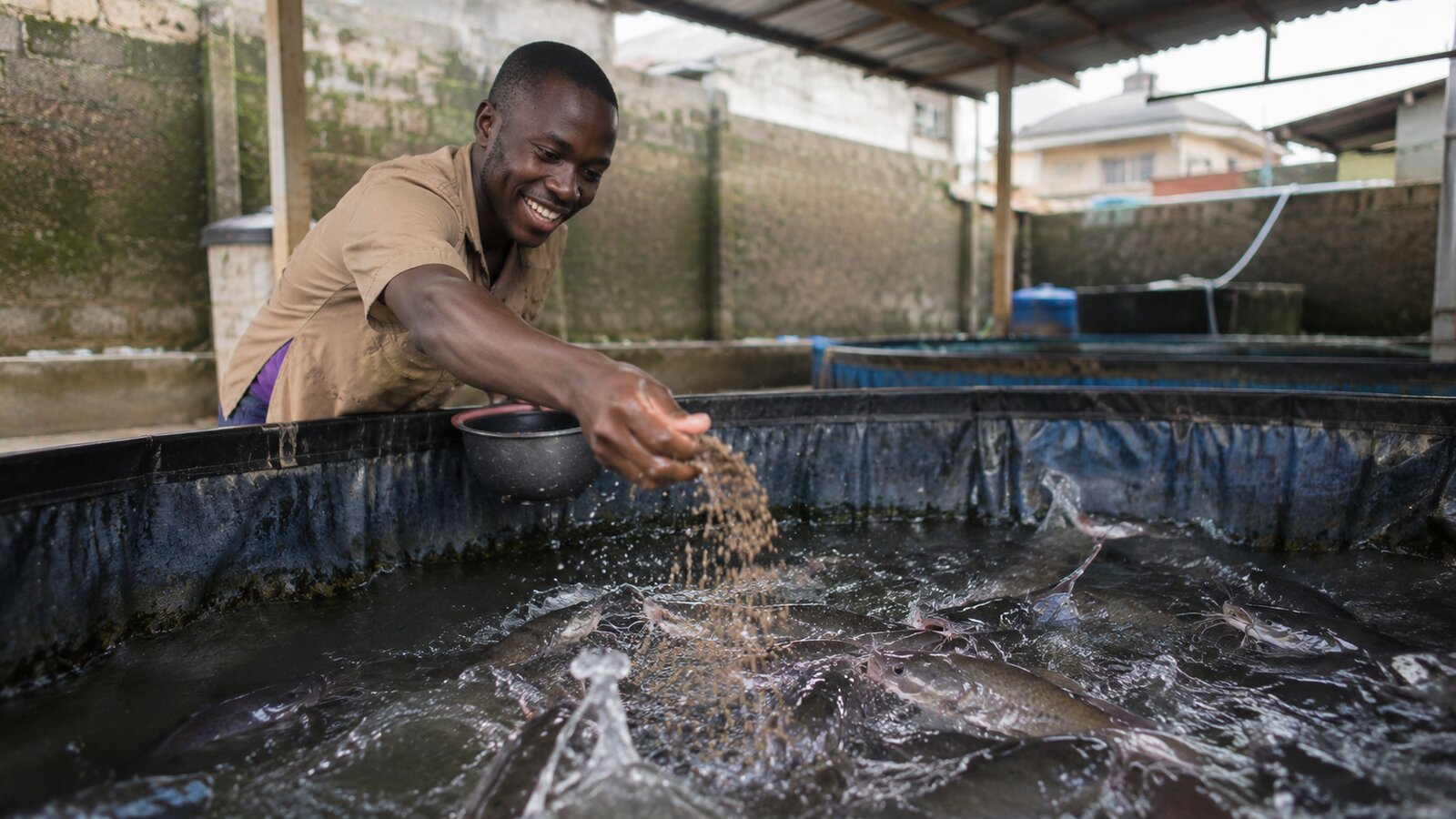
The African catfish (Clarias gariepinus) has become the star of urban fish farming in Cameroon: hardy and tolerant of low oxygen, it is easily raised above ground, in lined or concrete tanks, even on a small city plot. And the market is buoyant: Cameroon still imports fish heavily and is targeting an extra 10,000 tonnes of farmed fish output by 2027. Here is how to get started, with the numbers.
Why catfish is the right choice to start
- A hardy species: it breathes atmospheric air and tolerates high densities and imperfect water — where tilapia demands more technical skill.
- A short cycle: market size of 350 to 500 g in 5 to 6 months, with a survival rate of 80 to 85% when fingerlings are of good quality.
- Steady demand: grilled fish, stews — catfish sells well on every urban market, fresh or smoked.
The above-ground tank: your first investment
A typical starter tank is 4 to 10 m³: a wooden or block frame with a thick liner, or concrete for durability. Plan a reliable water supply (borehole, well) and a bottom drain for water changes. At a reasonable density, count on 100 to 150 catfish per m³. Start with a single tank: mastering water and feeding matters more than the size of the setup.
Fingerlings: don’t compromise on quality
The sector is organising: state-backed pilot hatcheries have already put more than 115,000 fingerlings on sale for grow-out. Buy graded fingerlings of 5 g and up from a recognised hatchery — ungraded fingerlings cannibalise each other (clarias is carnivorous) and wreck the survival rate. Then grade by size every 2–3 weeks.
Feed: 60 to 70% of your costs
This is THE item that decides your margin. Floating extruded feed gives the best growth results; to cut the bill, many farmers combine extruded feed at the start with locally made feed (oil cakes, fish meal, bran) during grow-out, even maggots and termites as a supplement. Golden rule: feed twice a day, adjust to appetite, and keep a consumption logbook.
What profitability to expect
Cameroonian farmers’ accounts give the order of magnitude: around 300,000 FCFA invested can generate more than 500,000 FCFA in sales over a well-run cycle. The key: limit mortality (quality fingerlings, regular grading), control feed cost, and sell at the right time — demand and prices rise sharply ahead of the year-end festive season. Starting in June–July means harvesting in November–December.
Beginner mistakes
- Buying “cheaper” ungraded fingerlings: guaranteed cannibalism.
- Overstocking the tank without changing the water: stalled growth, mortality.
- Under-budgeting feed: an under-fed fish won’t reach 350 g at 6 months.
- Not lining up the sales channel before harvest (fishmongers, grillers, markets).
Frequently asked questions
How long is a catfish farming cycle?
5 to 6 months to reach 350 to 500 g, the size most in demand on Cameroonian markets.
Is above-ground fish farming profitable in Cameroon?
Yes, when well run: local experience points to more than 500,000 FCFA in sales for around 300,000 FCFA invested per cycle, with feed the main cost item.
How can you finance your start-up?
Youth programmes (PEA-Jeunes, MINADER/MINEPIA) fund this kind of short-cycle project — see our guide on financing your agricultural project in Cameroon.
Going further
Ready to sell your production? Post your catfish offer on Jangolo and reach buyers directly. See also our guide on every channel for selling your farm produce.
Partager :

Discover more from Jangolo Blog
Subscribe to get the latest posts sent to your email.