How Real Market Prices Help Farmers, Traders and Buyers Make Better Decisions
This is post 2 of a 6-part series on agricultural market prices and the digital infrastructure transforming African agribusiness. Read post 1: Why Market Prices Are the Missing Infrastructure of African Agriculture.
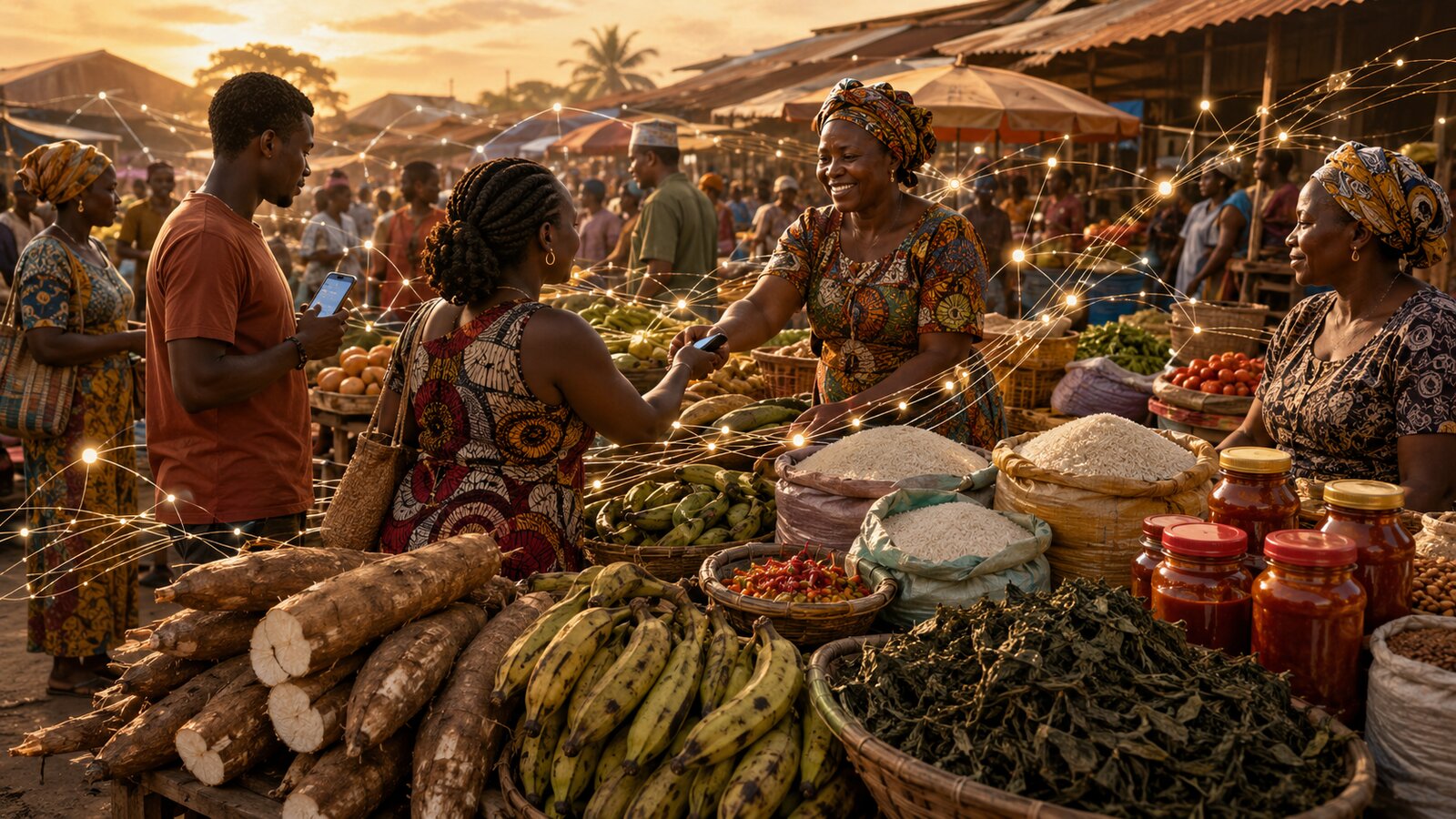
Every actor in the agribusiness ecosystem makes decisions daily. A farmer decides when to sell. A trader decides where to buy. A processor decides how much to produce. A distributor decides which market to supply. These decisions determine profits, losses, and long-term sustainability — yet in many agricultural markets, they are still made without reliable data.
This is where real market price information becomes a game changer.
Agriculture is a business of timing
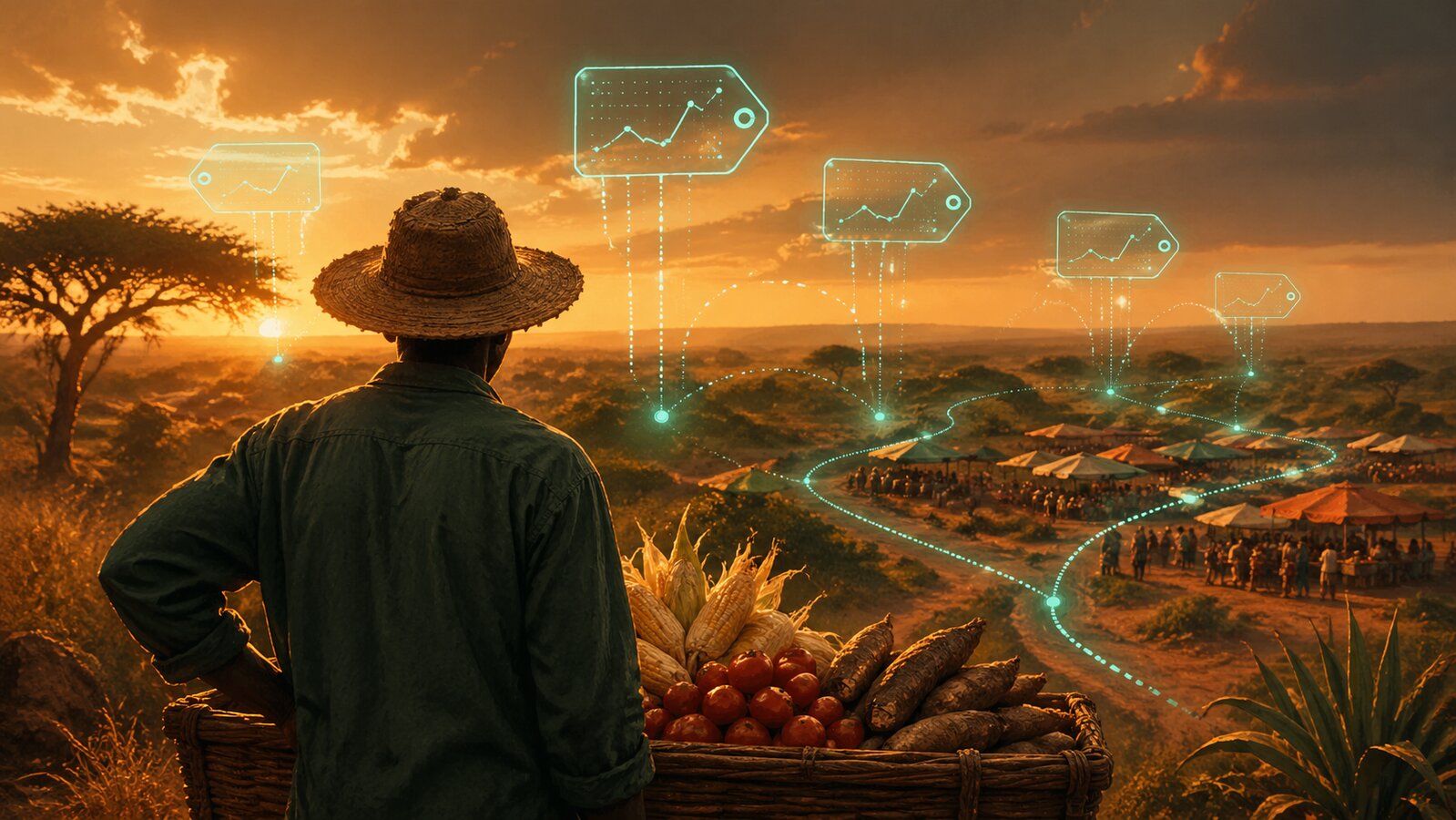
In agriculture, timing is everything. Selling too early can reduce profits; selling too late can lead to losses. Without knowing the prices in different markets, many producers simply accept the first offer they receive.
But with access to real market prices, stakeholders can compare opportunities. A farmer might discover that a product selling for 8,000 FCFA in one city is selling for 12,000 FCFA in another. That single piece of information changes the negotiation dynamic completely.
Traders depend on price signals
For traders and wholesalers, price signals are essential. They constantly ask:
- Where is demand increasing?
- Which markets are experiencing shortages?
- Where can products be sourced more efficiently?
Reliable price data helps traders allocate products where they are most needed — improving both profitability and overall market efficiency.
Processors and distributors benefit too
Agricultural processors and food companies also rely on price information. Knowing the evolution of raw material prices helps them:
- plan production cycles
- forecast costs
- secure supply contracts
Better information leads to better planning.
Reducing speculation and misinformation
In many agricultural markets, price information travels through informal channels: phone calls, word of mouth, occasional market visits. This creates room for speculation and misinformation. Transparent price reporting reduces those risks and creates a more balanced negotiation environment for everyone.
Community-driven market intelligence
The Jangolo Market Prices feature lets the agribusiness community itself contribute to price transparency. Farmers, traders, and agribusiness professionals can share prices observed in their local markets, and each contribution strengthens the reliability of the system. Over time, the platform becomes a collective intelligence tool for the entire sector.
Turning information into opportunity
Reliable price information empowers stakeholders to act strategically:
- Farmers can negotiate better.
- Traders can identify profitable routes.
- Processors can secure supply more efficiently.
- Consumers can better understand the food market.
By making market prices visible and collaborative, Jangolo helps transform fragmented markets into smarter, more transparent ecosystems. Because in agribusiness, better information always leads to better opportunities.
Continue the series
Up next: Agricultural Trading Is Broken — Here Is How Digital Trades Fix It. We’ll look at how the structural friction in African agricultural trading — from middlemen to payment delays — is being rewired by digital platforms.
Want to contribute your local market prices? Join the Jangolo community and help build the price infrastructure African agribusiness has been missing. Get started on jangolo.cm →
Share this content:
Partager :

Discover more from Jangolo Blog
Subscribe to get the latest posts sent to your email.